 1. FC Magdeburg Hub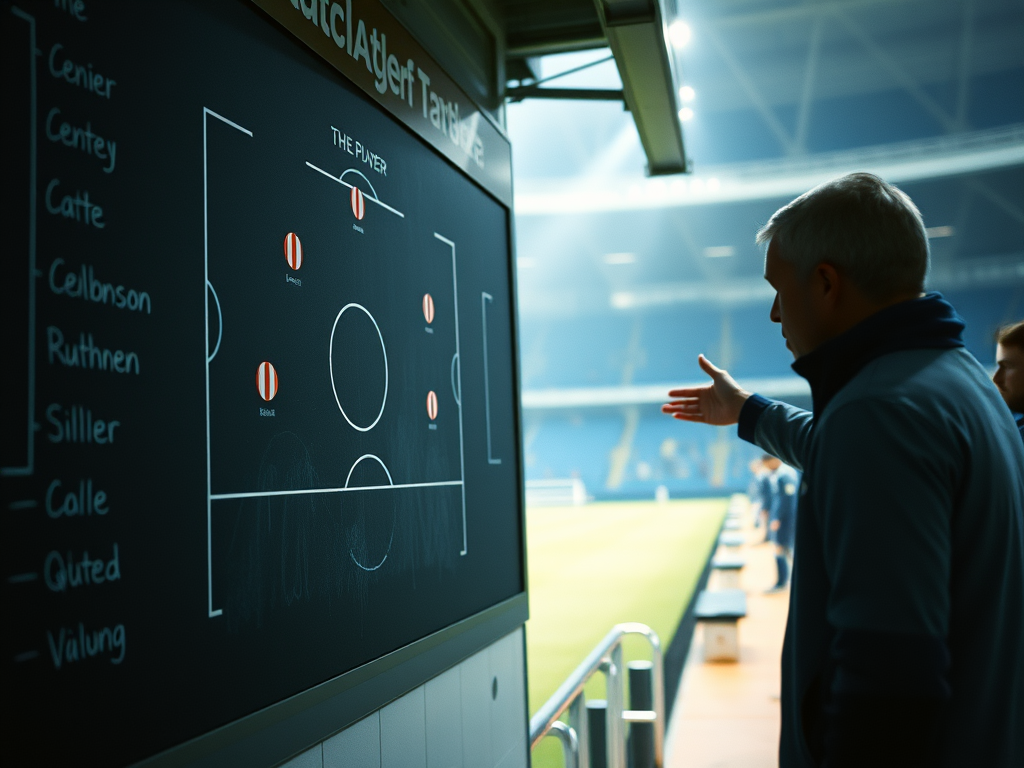
Decoding Recent Performances: Tactical Adjustments for 1. FC Magdeburg
1. FC Magdeburg has faced a series of challenging fixtures recently, resulting in mixed performances that have left fans eager for a revival. To turn their fortunes around, it's essential to analyze their current tactical setup and suggest adjustments that could enhance their effectiveness on the pitch.
Current Tactical Setup
Die Blau-Weißen have primarily employed a 4-2-3-1 formation, which has provided a solid base defensively while allowing for some attacking flair. However, recent matches have exposed vulnerabilities, particularly in midfield control and defensive transitions. Opponents have capitalized on transition moments, often exploiting spaces left behind by an overly aggressive pressing system.
Midfield Dynamics
One area needing attention is the midfield trio's balance. While the double pivot of defensive midfielders has been effective in disrupting opposition plays, it often lacks creativity moving forward. Introducing a more dynamic central midfielder who can link up play and provide forward passes could relieve some of the burden on the wings and the lone striker. This could be achieved by either promoting a youth player from the academy who has shown promise or rethinking the role of an existing player like Luca Schuler, who can be more influential in an advanced midfield position.
Defensive Solidity
Defensively, Magdeburg's back four has been solid but often finds itself isolated during counter-attacks due to the aggressive pressing of the forwards. Tweaking the pressing strategy to a more controlled approach might help maintain defensive shape and minimize the risk of counter-attacks. By implementing a zonal pressing system that prioritizes positioning over chasing the ball, the team can ensure that they have sufficient cover at the back while still applying pressure on the opposition.
Wing Play and Width
On the flanks, the use of wingers has been inconsistent. Sven Michel and David Otto have shown flashes of brilliance but often lack support. Encouraging overlapping runs from the full-backs, such as Philipp Tietz, could add width and create more crossing opportunities. A more fluid interchange between wingers and full-backs will not only stretch the opposition but also create space for the central players to exploit.
Set-Piece Strategy
Additionally, set-pieces have not been a strong suit for Magdeburg this season. Focusing on this aspect in training could yield significant returns. Engaging in varied routines and encouraging players to adopt specific roles will increase their threat from corners and free-kicks. This can also serve as a psychological boost, helping to instill confidence in the players as they convert these chances into goals.
Conclusion
In summary, 1. FC Magdeburg's recent form highlights the need for tactical adjustments that address both offensive creativity and defensive solidity. By refining their midfield dynamics, adapting their pressing strategy, enhancing wing play, and focusing on set-pieces, Die Blau-Weißen can improve their performances and climb the league table. The upcoming matches present an opportunity for these changes to take effect, and with the right tweaks, Magdeburg can regain their competitive edge in the league.